How to Age Perfume Properly for a Smooth, Lasting Scent
What Is Maceration in Perfume?
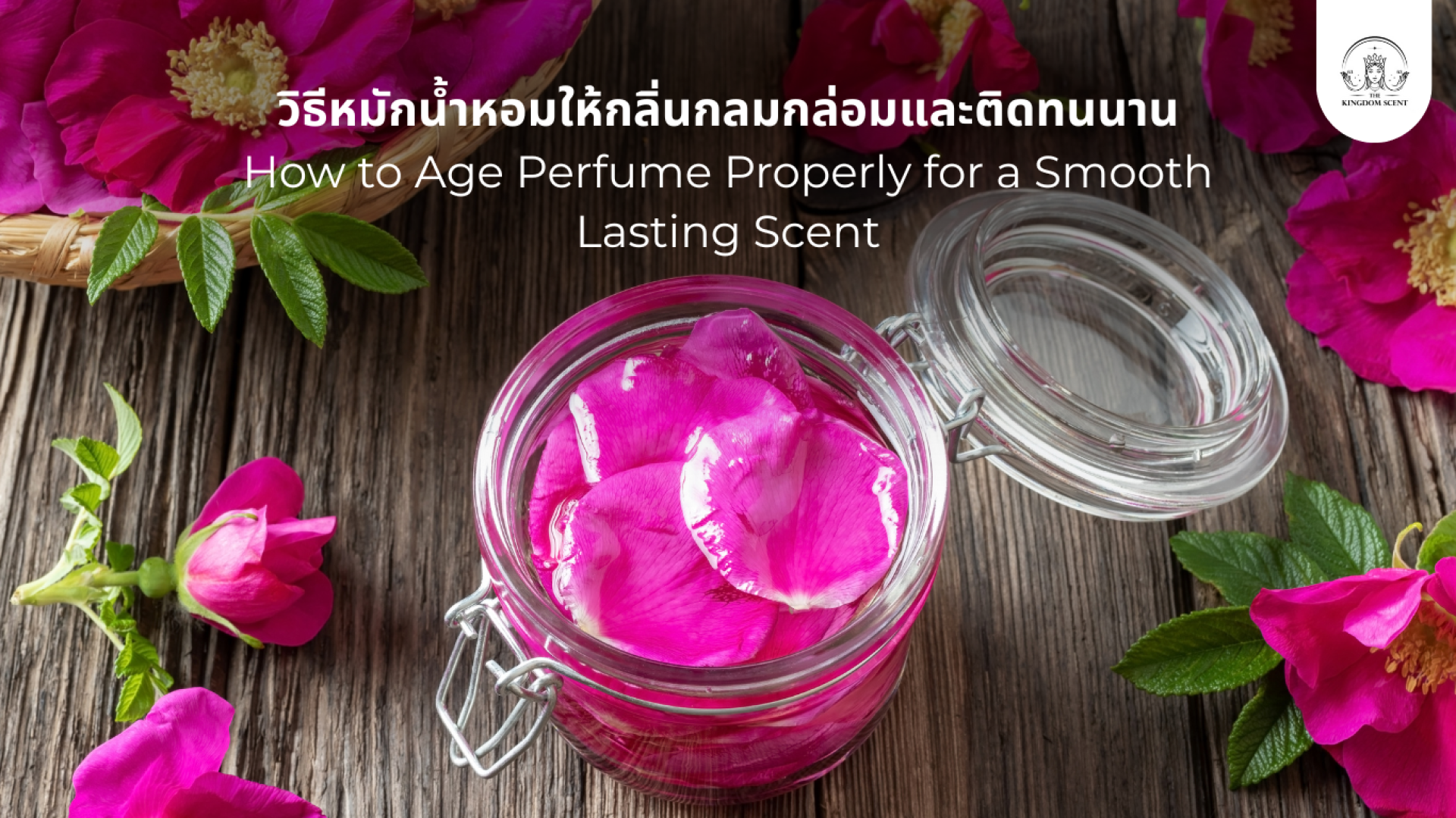
Maceration is the process of allowing perfume to rest after blending all ingredients together. The mixture is stored in airtight containers, such as glass bottles or stainless steel tanks, to give the essential oils and alcohol time to bond on a molecular level.
The goal of maceration is to harmonize the scent and allow each note to blend smoothly into a cohesive fragrance.
The typical maceration period ranges from 2 to 6 weeks, depending on the formula and complexity of the scent.
What Is Aging in Perfume?
Aging is a subsequent step following maceration. It refers to allowing the perfume to sit undisturbed for a longer period so that the scent can fully settle.
Much like aging wine or cheese, the longer it rests, the more refined, complex, and smooth the scent becomes.
During aging, the chemical components continue to interact gradually, enhancing the stability, depth, and transition between top, middle, and base notes.
Steps for Maceration & Aging
- Store the perfume in airtight containers, such as amber or clear glass bottles, or stainless steel tanks.
- Keep the perfume in a cool, dark place, away from sunlight and heat.
- Let it rest for 2-6 weeks or longer, especially for woody or resinous notes.
- Do not shake or disturb the perfume oftenthis allows the molecules to settle naturally.
Why Is This Process Important?
Smoother scent profile: The fragrance becomes more cohesive and less sharp.
Increased scent stability: Reduces changes in scent quality over time.
Enhanced fragrance evolution: Allows seamless transition from top to base notes.
Sign of quality craftsmanship: Trusted brands never skip this essential step.
How to Know If Your Perfume Is Ready for Sale
Once maceration and aging are complete, test the perfume before bottling
1. Test the scent on blotter strips and real skin.
2. Compare with the fresh blend to see if the scent has mellowed or improved.
3. Leave it on for 6-12 hours to evaluate longevity and sillage.
4. Check for sediment or discolorationfilter or reformulate if needed.
Maceration and aging are critical steps that can turn a simple fragrance into a high-quality perfume with depth, balance, and long-lasting appeal. If you're just starting out in perfume making, dont overlook this phaseits the difference between a forgettable scent and one that people will remember.