GMP Standards in Perfume Manufacturing | Regulations & Best Practices
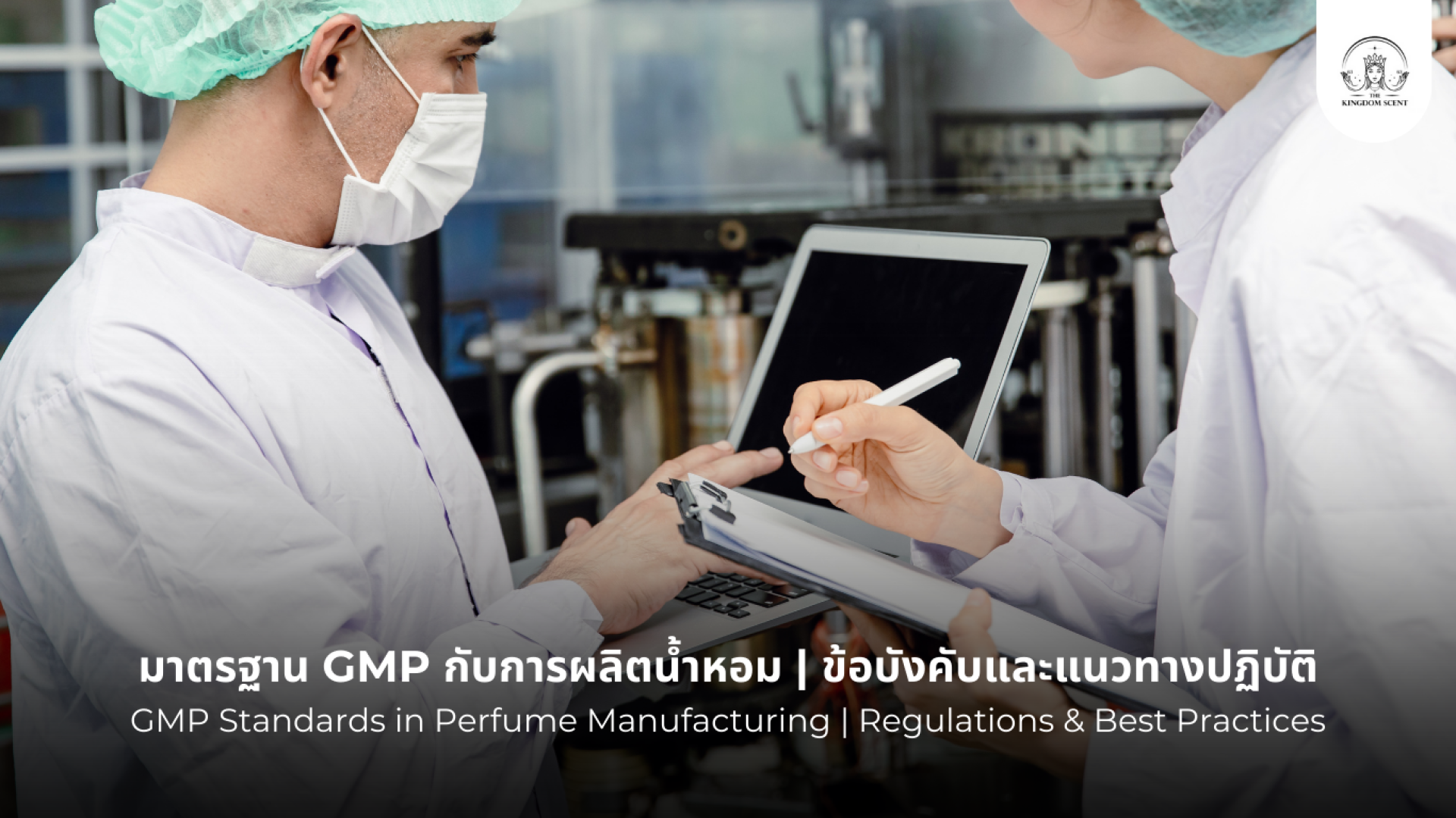
Perfume creation is more than just blending beautiful scents; it must also comply with strict regulations to ensure quality and safety. One of the most essential frameworks is GMP (Good Manufacturing Practice), which provides guidelines to maintain hygienic, safe, and reliable production processes.
Regulations in Perfume Manufacturing
In many countries, including Thailand and the EU, perfume manufacturing must comply with GMP standards regulated by cosmetic authorities. Without GMP certification, a manufacturer may face product registration rejection, penalties, or even plant shutdowns.
Key GMP Principles for Perfume Production
Facility design Clean, organized, and well-structured areas.
Equipment Safe, non-contaminating, and easy to maintain.
Raw materials Verified sources with strict quality checks.
Personnel Proper training and hygiene practices.
Quality control Testing from raw materials to finished products.
Documentation Complete records for traceability and audits.
Best Practices for Compliance
- Develop standard operating procedures (SOPs) and provide staff training.
- Regularly calibrate and inspect equipment.
- Ensure safe storage and transportation conditions.
- Test fragrance stability, safety, and overall quality before release.
Following GMP standards is not just about legal compliance; it strengthens brand credibility and builds consumer trust. For perfume manufacturers aiming to expand both locally and internationally, GMP compliance is a non-negotiable foundation for success.