Why Perfume Symbolized Social Class in History
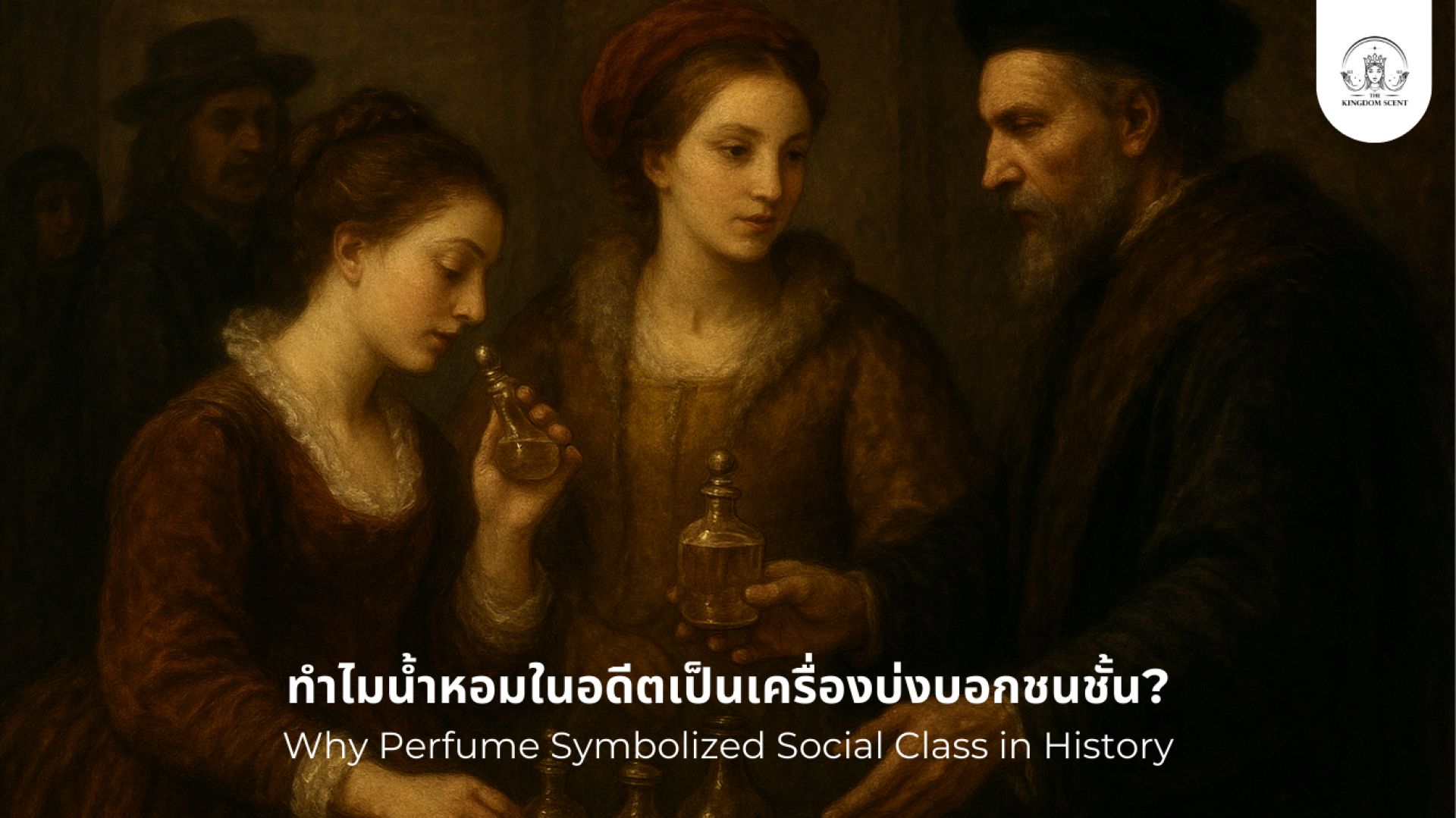
Perfume has long been more than a pleasant scent. In history, it symbolized wealth, power, and social hierarchy accessible only to the elite due to its rare ingredients and exclusive use.
Reasons Perfume Reflected Class in the Past
1. Rare and Expensive Ingredients
Materials like frankincense, myrrh, and ambergris were costly imports, making perfume a luxury reserved for royalty and the wealthy.
2. Association with Royal Courts
Ancient Egypt used perfumes in Pharaohs rituals, while European aristocracy in the 17th18th centuries wore perfumes as a sign of prestige.
3. A Symbol of Authority and Purity
Scents represented divine power, cleanliness, and superiority. Wearing perfume was a clear marker of elevated status.
4. Complex Production
Early perfume-making required specialized techniques and tools, limiting access to skilled artisans and wealthy patrons.
Perfume historically stood as a marker of social class and privilege. Unlike today, where perfume is democratized and part of everyday fashion, it was once a luxury that defined status and hierarchy.
References
Classen, C., Howes, D., & Synnott, A. (1994). Aroma: The Cultural History of Smell. Routledge.
Stamelman, R. (2006). Perfume: Joy, Scandal, Sin A Cultural History of Fragrance. Rizzoli.
Ashenburg, K. (2007). The Dirt on Clean: An Unsanitized History. North Point Press.